PSA and Prostate Cancer

For ten years now, I have been promoting the fact that conventional medicine has it wrong when it comes to prostate disease. I wrote before about new research that backs that view up. Additional research has being published now to hammer that point home.

Keep reading

Posted in Prostate Diseases | 2 Comments

24 Different Kinds of Prostate Cancer

New research is now showing that there is not a single disease called prostate cancer but in fact about 24 different kinds of prostate cancer.

prostatecancer

Most urologists will just simply tell you that they have detected prostate cancer or they have not. And that of course is only 85% reliable. The only detailed diagnosis you might get would be a Gleason score which provides some indication as to how aggressive the cancer is. But that diagnosis is incredibly superficial and can be very misleading.

It turns out that there may be different causes of prostate cancer, not necessarily the same causes that produces cancerous cells in the prostates of most older men. 

Why is this important?

If there is no differentiation made then the chances are the treatment offered will be of the variety of “one size fits all”. And in that case you are most likely to be over-treated and that probably means unnecessary potential damage to the quality of your life.

The risk assessment that you get if you join my Advance Prostate cancer Risk Assessment is very much more specific and that enables me now to help my APCRA customers to have a custom targeted botanical tincture formulated to meet the precise needs of their condition.

Let me give you an example, more than 50% of men discover that they have prostate cancer after finding that they have a high PSA. There are specific herbs like saw palmetto  and also herb extracts like Beta Sitosterol that will drive down a high PSA. But almost 50% of men who are diagnosed with prostate cancer have a low PSA. There is absolutely no point in giving such men saw palmetto or beta sitosterol. There are botanicals that will help such men but you will never find those botanicals in any standard prostate supplement.

Because my APCRA generates a very detailed profile, that information used in conjunction with my consulting a compounding pharmacist who also happens to be a very knowledgeable botanist, enables me to formulate a tincture that is custom made for those of my APCRA who need something more specific.

Please visit my website for more information

I wish you good health.

Ben Ong

  
PS

If you have problems with any kind of prostate disease and need some advice or information please feel free to comment below and I will respond.


Posted in Prostate Cancer | Tagged , , , , , , | Leave a comment

Vitamin E and Total Health


Yesterday, I talked about the rumors about Vitamin E in relation to prostate health and cancer. Below are some studies about why Vitamin E is good for you especially those that are not synthetic ones.


It is important to recognize that ‘tocopherols’ is a general term used for four different forms of vitamin E, namely alpha-tocopherol, beta-tocopherol, delta-tocopherol and gamma-tocopherol, which are found naturally in food sources
containing vitamin E, vegetable oils in particular.


Vitamin E in food sources also contains four other compounds, these being referred to as tocotrienols (again, alpha-, beta-, delta- and gamma- forms), but these normally occur at trace levels. However, the synergistic role of all 8 forms of vitamin E as essential nutrients is being increasingly well elucidated through research. Of the tocopherols in corn oil and soybean oil, for example, gamma-tocopherol contributes to 77 and 70 %, delta-tocopherol to 2 and 23%, and alpha-tocopherol to 14 and 7%, respectively (personal communication, Professor Tom Saldeen, internationally recognised expert on vitamin E).


Alpha-tocopherol, being just one form, exhibits different biological responses in humans and animals compared with natural blends of tocopherols (referred to as ‘mixed tocopherols’, as used in the Total Health supplement). Alpha-tocopherol, at higher dosages, may trigger responses which are antagonistic to normal metabolic function and are likely to be important factors in the seeming conflict between large numbers of epidemiologic studies, which have consistently shown that higher intakes of vitamin E in foods are associated with reduced risk of chronic diseases such as heart disease and cancer, and a number of randomized controlled trials, undertaken always with alpha-tocopherol (synthetic or purified naturally-derived, pharmaceutical form, notably alpha-tocopheryl acetate) and not ‘mixed tocopherols’.


It is therefore generally not possible to extrapolate the results from randomized trials using alpha-tocopherol as a means of demonstrating probable effects on either efficacy or safety. Nevertheless, it should be stated at the outset, even with the most cynical view of the literature, that the dosage of tocopherols (including alpha-tocopherol) within the Total Health supplement is well within the range of consumption found in the UK population.


One IU of vitamin E is defined as the biological equivalent of 0.667 milligrams of RRR-alpha-tocopherol (formerly named d-alpha-tocopherol, or of 1 milligram of all-rac-alpha-tocopheryl acetate (commercially referred to as dl-alpha-tocopheryl acetate, the form widely used in randomised trials). The EVM (2003) estimated maximum intakes for vitamin E (food and supplements) as 690 mg of d-alpha-tocopherol equivalents.


The amount of vitamin E in the Total Health supplement is 250 IU (d-alpha-tocopherol equivalents) which equates to 169 mg, ensuring that it is less than 25% of the maximum intake determined by the EVM. Seen in the context of risk assessment, including the fact that the Total Health Supplement includes mixed tocopherols, rather than only alpha-tocopherol, means that this dosage does not constitute any risk to health and therefore could not give rise to any side effects (for further interpretation of the safety of vitamin E in relation to the Total Health supplement see section entitled Vitamin E risk assessment by the EVM, below). Vitamin E you may have somebody visiting you


In a study on more than 20,000 men, patients who developed prostate cancer had significantly lower blood levels of gamma-tocopherol than men who developed prostate cancer (Huang HY, Alberg AJ, Norkus EP, Hoffman SC, Comstock GW, Helzlsouer KJ. Prospective study of antioxidant micronutrients in the blood and the risk of developing prostate cancer. American Journal of Epidemiology, 2003; 157: 335-44; Helzlsouer KJ, Huang HY, Alberg AJ, Hoffman S, Burke A, Norkus EP, Morris JS, Comstock GW. Association between alpha-tocopherol, gamma-tocopherol, selenium, and subsequent prostate cancer. Journal of the National Cancer Institute 2000; 92: 2018-23). The higher the blood gamma-tocopherol levels, the lower the risk of prostate cancer.


Men with the highest levels were 80% less likely to develop prostate cancer compared to men with the lowest levels. Gamma-tocopherol has the ability to inhibit the growth of prostate cancer cells to a greater degree than alpha-tocopherol
(Gysin R, Azzi A, Visarius T. Gamma-tocopherol inhibits human cancer cell cycle progression and cell proliferation by down-regulation of cyclins. The Federation of American Societies for Experimental Biology (FASEB) Journal 2002; 16: 152-4; Moyad MA, Brumfield SK, Pienta KJ. Vitamin E, alpha- and gamma-tocopherol, and prostate cancer. Seminars in Urologic Oncology 1999; 17: 85-90). Gamma-tocopherol and delta-tocopherol have also been found to be superior to alpha-tocopherol in inhibiting neoplastic transformation of certain cells (Cooney RV, Franke AA, Harwood PJ, Hatch-pigott V, Custer LJ, Mordan LJ. Gamma-tocopherol detoxification of nitrogen dioxide: superiority to alpha-tocopherol. Proceedings of the National Academies of Sciences USA 1993; 90: 1771-5; McIntyre BS, Briski KP, Gapor A, Sylvester PW. Antiproliferative and apoptotic effects of tocopherols and tocotrienols on preneoplastic and neoplastic mouse mammary epithelial cells. Proceedings of the Society for Experimental Biology and Medicine 2000; 224: 292-301). Additionally, a relatively recent pilot, randomised controlled trial, namely the Prevention Research Veteran Affairs E-vitamin Nutrition Trial demonstrated positive results and no side effects of vitamin E in relation to prostate cancer risk (Hernaandez J, Syed S, Weiss G, Fernandes G, von Merveldt D, Troyer DA, Basler JW, Thompson IM Jr. The modulation of prostate cancer risk with alpha-tocopherol: a pilot randomized, controlled clinical trial. Journal of Urology 2005 Aug; 174(2):519-22).


Posted in Natural Supplements, Nutrition | Tagged , , , , , , , , | Leave a comment

Rumors about Vitamin E

Many of my readers have pointed out to me articles recently published in the media in respect of vitamin E. These suggested that vitamin E supplementation could actually increase the danger of getting prostate cancer.

 vitaminE


That is complete rubbish and let me explain why.


Once again, the pharmaceutical corporations are funding scare stories about vitamins. You should be aware that the dirty tricks department of these corporations are not only very well funded but are expert at getting others to produce studies that will confirm the results that they wish to promote.


Unfortunately, the media always take such deeply flawed studies seriously. Why would they know any different? And the result is that the studies receive significant headlines which the studies do not deserve. It is of course what the pharmaceutical corporations want.


They see any natural supplements as a threat (albeit a relatively small one) to the continued sale of their toxic drugs.


So what is the truth of the matter?


Well before I deal with the specific study let me just make some general comments, since such a study is not the first and will certainly not be the last. In fact the Cleveland clinic has generated several ridiculous negative studies on the subject of vitamin E and other vitamins over the last few years.


No doubt the Cleveland Clinic have a close relationship with some pharmaceutical corporations although I am not an investigative journalist and I have neither the time nor the inclination to find and expose that link.


First, let me reassure you that every single supplement that I manufacture is based upon peer-reviewed scientific evidence that confirms the benefit of every ingredient in my supplements. If I do not have such evidence I never put the ingredient in.


Second, most studies undertaken about vitamins E or indeed any other vitamins are based on the use of synthetic vitamins. Synthetic vitamins are not the same as natural ones and inevitably have an entirely different physiological effect.


Unsurprisingly, synthetic vitamin E which is what this study is based upon, do not do much if any good and indeed if the study is correct can actually do harm. Most commercially available supplements use the synthetic form of vitamin E.


I do not.


The vitamin E in total health is mixed tocopherols which are entirely natural.


Let me explain briefly why natural vitamins can only be beneficial and can never be harmful. The human species has evolved and adapted to its environment over many thousands of generations. The food environment of the human species includes many foods that contain vitamin E.


There is no way that any nutrients provided by food that has been eaten by human beings for tens of thousands of years can possibly be harmful. If it were harmful, human beings would long ago have ceased
cultivating those foods or indeed human beings would long ago have adapted to them.


On the other hand, all the prescription drugs that are manufactured by the pharmaceutical industry are new and alien to the human body. That is the complete opposite of foods to which human beings have had a chance to adapt. That is why all drugs are toxic, which is why they all produce negative side effects.


It is also why pharmaceutical corporations have to study many thousands of drugs before they find one that is not too toxic to sell to people. They need to get permission to manufacture a new drug.


Even then, despite so-called scientific studies, many of the drugs released over the last 50 years have subsequently been found to be extremely dangerous and even fatal to those who take them.


In 2003 Dr. Penn of the Cleveland Clinic Foundation bashed vitamin E using another deeply flawed study, he said “. . . given our results and the lack of mechanistic data supporting [the] efficacy of vitamin E as a potent antioxidant in vivo, we do not support the continued use of Vitamin E treatment and discourage the inclusion of vitamin E in future primary and secondary prevention trials in patients at high risk of coronary artery disease.”


He got the headlines he wanted. I will not bother to point out why that particular study was flawed since it is already ancient history and has long since been thoroughly debunked, but suffice it to say that the conclusions were unjustified nonsense.


So let me deal with this latest study purporting to prove that vitamin E can cause prostate cancer. As I have already mentioned, that was based on a  synthetic form of vitamin E that we do not use in total
health. What we do use is mixed tocopherols and below I cite a pivotal study which showed that the natural vitamin E which we use in conjunction with selenium reduces the level of prostate cancer by up to 42%


A recent pivotal study published  further supports the view that the nutrients, and especially the combination of nutrients, present in the Total Health supplement, are above all likely to be beneficial
(the risk assessment demonstrates that at the dosages used there is no risk of harm).


The study was conducted by a group of researchers from a range of USA and Danish institutions, including Johns Hopkins University School of Medicine, the Danish University of Pharmaceutical Sciences, the National Cancer Institute and the US National Institutes of Health (Peters U, Foster CB, Chatterjee N, Schatzkin A, Reding D, Andriole GL, Crawford ED, Sturup S, Chanock SJ, Hayes RB. Serum selenium and risk of prostate cancer—a nested case-control study.


The American Journal of Clinical Nutrition 2007, 85(1): 209-217). in this study, serum levels of the mineral selenium as well as other vitamins in 724 people withprostate cancer and 879 healthy  controls were evaluated over an 8 year period.


The authors found that although selenium intake, independently, had no direct bearing on prostate cancer rate, it contributed to significant reductions when higher blood selenium levels were found in conjunction with above-average intakes of other nutrients. In the case of those with higher intakes of vitamin E (in excess of 28 IU/day), high selenium intakes contributed to a 42% reduction in prostate cancer risk, while multivitamin users benefited from a 39% risk reduction.


Even smokers who were in the high selenium intake group experienced a 35% reduction in prostate cancer risk.


This latest study used Alpha D Tocopherol which is a synthetic Vitamin E derived from oil. In our supplements we use natural Mixed Tocopherols which are completely different.


I wish you good health,


Ben Ong

Posted in Natural Supplements, Nutrition | Tagged , , , , , | Leave a comment

Russian Roulette


If you’re not familiar with the term Russian Roulette, that is where you take an old Colt 45 revolver, place one bullet in a single chamber, spin the Chambers, hold the pistol against your head and then pull the trigger. You do not know which chamber contains the bullet so that gives you a one in six chance of committing suicide. I guess some people like to live or die dangerously.


russian_roulette


So why do I use this term for the subject of this blog. I would like to make the point that when you start conventional invasive treatments, that is like playing Russian roulette., At least in the sense that you really do not know the outcome that you are going to get.


Below, I am reporting on a new recent study/poll that confirms what I have known for a very long time, that men have very unrealistic expectations when they undertake conventional medical treatment for their prostate.


I know it, because I received thousands of e-mails from men with prostate disease every week. Inevitably, some of those e-mails make it very plain that the writer has had treatment and is both surprised and dismayed by his outcome.


As part of the new survey, 152 men who had part or all of their prostate removed for cancer treatment filled out a questionnaire before surgery. They first had counselling to educate them about the risks of the procedure, which include erectile dysfunction and incontinence.


The questions asked about their expectations of urinary, bowel and sexual function a year after the surgery. About half of men expected that they would have the same function after surgery as before, and 17 percent of men anticipated better sexual function after the surgery.

One year later, the researchers followed up with the patients and found that just 36 percent of men’s expectations for urinary function matched the true outcomes, and only 40 percent of the expectations for sexual function matched reality.


Daniela Wittmann, the sexual health coordinator in the urology department at the University of Michigan and a researcher on the study, said doctors are unable to predict how well an individual patient is likely to recover their urinary and sexual functions.


One recent study showed that, one year after surgery, only one out of four men recovered his ability to have intercourse.


The inability to get an erection is one of the more common side effects from prostate cancer surgery. Some men can have a “nerve sparing” procedure, which is supposed to leave the nerves that control erections intact. But thatoften does not work.


The bottom line is that the majority of men who undergo surgery to treat prostate cancer find themselves with greater incontinence problems and less sexual function than they had anticipated, according to this poll.


Dr. Tracey Krupski, an assistant professor of urology at the University of Virginia, and who was not involved in this study, said “Any intervention that you do to a patient, whether it be surgical or radiation, is never going to make the person (function) better than they are at the present time”


How about that for an understatement?


According to the American Cancer Society, one out of every six men in the United States will be diagnosed with prostate cancer at some point. Every year, tens of thousands of men select surgery for their treatment.


So, is there an alternative to conventional invasive surgical treatments? Yes, there is. One alternative is to use a more natural, holistic and gentle approach. Since all the studies point to the fact that your life expectancy remains the same whether or not you have invasive treatments, there is no downside to a natural approach. It cannot do worse. But it may do better. And the best news is that you have close to zero chance of having any of the downsides associated with invasive treatments.


If you are considering a biopsy or any treatment, let me tell you about a far better alternative to a prostate biopsy or conventional treatment. There is a professor of Urology (who is also a naturopathic physician) who has a unique technology and expertise. His technology is non-invasive and therefore far safer than a biopsy. Moreover, it is more accurate and less expensive than biopsy. We have created an all-inclusive APCRA .  He provides the diagnostics & monitoring for that disease management program and I provide the mentoring for supplements, nutrition and lifestyle changes based upon his diagnosis. If that is of interest to you, email me @ ben.ong@yoag.com  and I will send you further information.


I wish you good health,


Ben Ong

Posted in Invasive Treatments, Prostate Cancer | Tagged , , , , , , | Leave a comment

Prostate and Diabetes


What has diabetes to do with prostate disease?

diabetes


It turns out that it has a great deal to do with it. That isn’t all that surprising given that they are both metabolic diseases.


The very same negative aspects of diet and lifestyle which can cause prostate disease and prostate cancer will also over time cause diabetes. Of course there are genetic predispositions.


One man may be predisposed to get prostate cancer but not to get diabetes and vice versa. So they do not always occur together and of course a predisposition does not mean a disease is inevitable, it just means you have to take more care.


It is not surprising therefore that there are many studies that show that having one disease makes you more likely to have the other as well.


The most worrying thing about diabetes is that many men will be walking around with diabetes and not know it, and many others will be prediabetic or hyperglycaemic which means that they are on an inevitable path to becoming diabetic.


This is especially true for men who have a waistline of 37 inches or more. There are many life and quality-of-life threatening diseases that come about as a consequence of diabetes. And undiagnosed diabetes is even more dangerous in the sense that not knowing means you’re doing nothing about it.


Why should you care? Because if you do have diabetes whether diagnosed or undiagnosed, you are at considerable risk of an early death, especially from a stroke or heart attack.


You would also be at risk of many diseases that will significantly reduce the quality of your life. These include blindness, amputations and kidney disease requiring dialysis. I detail some of the statistics further down


A new study being published in the Lancet this week was led by Professor Majid Ezzati from Imperial College London shows that type II diabetes has doubled in the last three decades and is set to rise still further.


I cured myself of Diabetes in 6 weeks. If you are interested to be cured of your diabetes and to come off all your medication, I can show you how to do so. I have done that myself and I guarantee I can do the same for you. If that interests you please email me and I will provide with more information.


Below are increased risks for those suffering Diabetes:


Heart Disease and Stroke (Stroke is 2 to 4 times higher)


Hypertension (two thirds have hypertension),


Blindness and Eye Problem (almost one third  age 40 years or older had diabetic retinopathy)


Kidney Disease (almost half of all new cases of kidney failure results from Diabetes)


Nervous System Disease  (two thirds of people with diabetes have mild to severe forms of nervous system damage)


Amputations (More than 60 percent of nontraumatic lower-limb amputations occur in people with diabetes)


Dental Disease (About one-third of people with diabetes have severe periodontal disease)


Other Complications:

•    Uncontrolled diabetes often leads to biochemical imbalances that can cause acute life-threatening events, such as diabetic ketoacidosis and hyperosmolar—nonketotic—coma.

•    People with diabetes are more susceptible to many other illnesses. Once they acquire these illnesses, they often have worse prognoses. For example, they are more likely to die with pneumonia or influenza than people who do not have diabetes.

•    People with diabetes ages 60 years or older are 2 to 3 times more likely to report an inability to walk one-quarter of a mile, climb stairs, or do housework compared with people without diabetes in the same age group.

•    People with diabetes are twice as likely to have depression, which can complicate diabetes management, than people without diabetes. In addition, depression is associated with a 60 percent increased risk of developing type 2 diabetes.


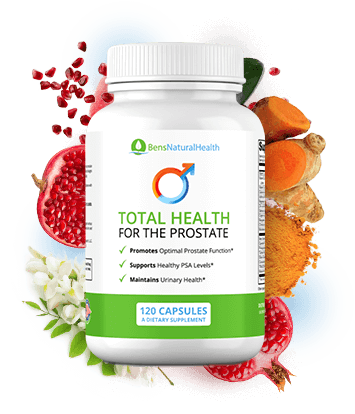
If you have not yet tried Total Health for the Prostate, I urge you to try it.


I wish you good health,


Ben Ong

Posted in Nutrition, Prostate Diseases | Tagged , , , , , | Leave a comment

Orange Juice


You’re in the supermarket and you stand in front of a wide selection of fruit juices. Which one are you going to choose? The ‘100 per cent pure juice’ or the ‘not made from concentrate’? You might imagine both are healthy options, because you have been watching all the right advertisements, right? Think again. In fact, you are being conned.


The truth is, neither of these two options are healthy… In fact, most store-bought fruit juices have a secret ingredient that doesn’t resemble anything found in nature!


Take orange juice for instance.

orangejuice


Making a glass of OJ is fairly straight forward. You pick the oranges. Squeeze them. Put the juice in a glass and you have juice! But not if you have to produce OJ on a massive scale, in which case, there is an important in-between stage, which is a secret you are unlikely to know about.


Once the oranges are squeezed, the juice is stored in giant holding tanks and, critically, the oxygen is removed from the juice to allow the liquid to keep longer (for up to a year) without spoiling. The problem is that the liquid now tastes nothing like the ‘100 per cent pure juice’ that we’d make at home from fresh squeezing fresh oranges. In fact, it’s almost completely flavorless, because when the juice is stripped of oxygen it is also stripped of the chemicals that give it flavor.


So here comes that essential additive: “flavor packs” to re flavor the de-oxygenated orange juice. These are flavors, uniquely manufactured by ‘flavor companies’ which are added back to the juice to make it taste ‘fresh’.


Of course, you will not see flavor packs listed as an ingredient on the label because technically they are derived from orange essence and oil. Noticed the word ‘technically’.


That’s because nothing that’s inside those flavor packs resembles anything found in nature. In fact, they tend to contain high amounts of ethyl butyrate, a synthetic chemical found in the fragrance of fresh squeezed orange juice.


There’s more still, because you may have noticed that some orange juices taste different from others. That’s because flavor packs are manufactured to cater for different markets. So, juices sold in Brazil or Mexico will have other chemicals in them, like valencine, which makes it taste different because the people in those countries have different palates.  You might think that’s awfully clever, but it doesn’t do you any good.


You have been told a lie and sold a synthetic  chemical flavored juice as “100 per cent pure”!


Having said that, perhaps you should not drink orange juice at all, whether it is store-bought or freshly squeezed. Even more so if you’re overweight, or have diabetes, high cholesterol, high blood pressure, gout, heart disease or cancer.


While oranges and freshly squeezed orange juice can be a good source of vitamins and other nutrients, they’re also very high in fructose. And fructose is only good for you for as long as it is part of the whole fruit!


When the sugar (fructose) is combined in its natural form in the whole fruit, it poses far less of a health risk, because the fiber in the fruit tends to slow its absorption and prevents over consumption. But once you remove the fiber (which is what happens when fruit is juiced), you end up with a different product.


Too much fructose can lead to insulin resistance, which is not only an underlying factor of type 2 diabetes and heart disease, but also many cancers. It also metabolizes into fat and leads to weight gain and abdominal obesity, which in turn decreases HDL ‘good’ cholesterol, increases LDL ‘bad’ cholesterol, elevates triglycerides, elevates blood sugar, and causes high blood pressure — classic metabolic syndrome.


Apart from that, it also contributes to the development of gout by increasing the levels of uric acid in your body. Not to mention the fact that fruit loses a lot of its antioxidant power during the juicing process — especially if it has been pasteurized, which most store bought juices are.


It seems to be much healthier to avoid drinking fruit juices altogether, as they will spike your insulin to a far greater degree than a piece of whole fruit. In fact, a 2008 study made the following conclusion with reference to the difference between whole fruits and fruit juices: “Consumption of green leafy vegetables and fruit was associated with a lower hazard of diabetes, whereas consumption of fruit juices may be associated with an increased hazard…” If you are interested in treating your diabetes especially if it’s Type II Diabetes, send me an e-mail at ben.ong@yoag.com  so I can provide you with my free report on Diabetes.


I wish you good health,

Ben


Posted in Nutrition | Tagged , , , , , , , | Leave a comment

Omega 3 and an Early Warning

I have received a number of emails about articles that have recently appeared very widely in the media suggesting that supplementing Omega three could actually increase your risk of prostate cancer.

omega3


Please don’t stop taking your flax oil, this is not a significant result as I explain below.


The results were not from a new study but they were data mined from a study that completed in 2003. The actual study in question was not about Omega three it was about men taking Finasteride.


Researchers from the Fred Hutchinson Cancer Research Center found when reviewing the past data, that men who had the high levels of decosahexaenoic acid, a common form of omega-3 fat, were two and a half times more likely to develop aggressive high grade prostate cancer than men with the lowest levels.


Conversely, those who had the highest levels of Trans fat, which has been shown to cause inflammation and heart disease, had the lowest risk of developing prostate cancer. The researchers said that the seemingly paradoxical findings may indicate that what is good for the heart is not necessarily good for the prostate.


The media love to hype up a controversial finding and this finding is controversial because there have been dozens of studies specifically to find whether Omega three provides benefits. And the all of such studies have agreed that there are benefits both for the prevention of prostate cancer and more obviously for the prevention of heart disease (which in fact kills even more men than prostate cancer does).


Similarly, dozens of studies have found that trans fats cause heart disease and encourage the development of cancer.


One swallow does not make a summer and one study does not prove anything conclusively. I believe it is highly unlikely that these contrary results will ever be replicated by any subsequent study.


I should also add that this data was taken from men who are also taking finasteride and that factor by itself could be the cause of such contrary results.


That is one of the disadvantages of going back and examining the results from a study that was never intended to come to any conclusions about what you are now examining.

Having said that there are better ways both to get fiber and Omega 3 which are the two things that you get from flax seed. Omega 3 is very important both for the prostate and general health.


I do food powders which are based on chia seeds. These have more soluble fiber, more Omega threes and do not need grinding. For the best source of Omega 3 however, you should really get my Antarctica Krill oil. I take four capsules of that every day. That is pure, virgin, natural and not only do you get unprocessed highly concentrated Omega three. You also get phospholipids which are the same Omega three found in the brain and they also transfer through cell membranes very rapidly, so they are very bio-available. Plus you get astaxanthine which is a very powerful antioxidant .


These are all naturally present in krill, which is caught in Antarctica, where there is no pollution. That is why they do not need to processed.


The food powders are really quite expensive so I would recommend you go for the krill oil. Below is the link where you can read about it. As for fiber, I recommend you eat a Hass Avocado  every day. I just put some vinaigrette, seasalt and black pepper on mine for breakfast.


Antarctican Krill Oil


I wish you good health,


Ben Ong

Posted in Natural Supplements, Nutrition, Prostate Diseases | Tagged , , , , , , , , | Leave a comment

It’s not the PSA, it’s the BIOPSY!


As you probably know, I have been saying that PSA can be misleading for the last 10 years at least. Now the U.S. Preventive Services Task Force went public on Friday with a recommendation that agrees with what I have been saying for so long now.


I got more e-mails from readers about this news item than I have ever had for anything. Their new recommendation states do-not-screen for healthy men  of all ages.


The assumption has always been that finding cancer early is a good thing. I have always disagreed and shown you the studies that prove finding it early does not make any difference to the outcome but I never said do not have a PSA screen.


Dr. Virginia Moyer of the Baylor College of Medicine, who heads the the U.S. Preventive Services task force now agrees with me about some things.


“We have put a huge amount of time, effort and energy into PSA screening and that time, effort and energy, that passion, should be going into finding a better test instead of using a test that doesn’t work,” Moyer told The Associated Press late last Thursday.


The task force analyzed all the previous research on this subject, including five major studies, to evaluate whether routine screening reduces deaths from prostate cancer.


The conclusion: There’s little if any mortality benefit. Well, that is what I have been saying for years. But you will not be surprised to learn that I still think they have it wrong. This time they have swung the pendulum too far.

PSA


Here is what they are now saying:


“Too much PSA, or prostate-specific antigen, in the blood only sometimes signals prostate cancer is brewing. It also can mean a benign enlarged prostate or an infection. Worse, screening often detects small tumors that will prove too slow-growing to be deadly. And there’s no sure way to tell in advance who needs aggressive therapy.


That last sentence is also bunkum  because there certainly is a way to  tell in advance whether anybody  has an aggressive prostate cancer. Although even if you know that, it is far from certain that aggressive therapy as he calls it will actually help.


To return to what he is saying.“But there is harm from routine screening: impotence, incontinence, and infections, even death that can come from the biopsies, surgery and radiation.” Moyer said.


Actually no. it is not the screening that does that. It is the treatment following upon the screening that does that.


Moyer continues. “One study estimated 2 of every 5 men whose prostate cancer was caught through a PSA test had tumors too slow-growing to ever be a threat. Yet Moyer said 30 percent of men who are treated for PSA-discovered prostate cancer suffer significant side effects, sometimes death, from the resulting treatment.


So far so good. There is nothing there that I have ever disagreed with, in fact those words are very similar to the ones I have used. But they are missing the point.


The PSA does not do any harm. PSA and free PSA are actually useful monitoring tools provided you do not take a single reading as having any particular meaning. It is primarily a warning sign, not a diagnosis.


PSA is actually a very useful test providing you use it properly.


The real problem is not the PSA.  It is the biopsy that follows the PSA. Conventional urologists have knee-jerk reactions because they are more concerned about their insurance and liability than they are about what the PSA reading means. If they recommend biopsy, they cannot be sued and that is all that is on their minds.


If a prostate cancer is present and a biopsy is done there is a high risk of spreading that cancer throughout the prostate and that will turn a situation that is not life threatening to one that can now become life threatening.


But, worse still, again for reasons that are far more about legal protection and making money than about your welfare, your urologist will now recommend invasive treatments.


Yet all the studies show that all those invasive treatments without exception do not statistically extend your life expectancy even a single day.


But as Moyer now acknowledges, men are being treated unnecessarily and suffering considerable damage as a consequence.


So let me emphasize again, it is not the PSA that the problem. It is a biopsy that leads you inexorably towards invasive treatments that is the problem.


So why do I say that they have still have it wrong?


PSA and free PSA are actually useful tools provided they are used the right way.


In conjunction with a range of other tests and a non-invasive power colour Doppler scan, a dataset of PSA and free PSA readings is very helpful and can establish not only whether you have prostate cancer but also whether that prostate cancer is a threat to your life. And all that data will also if properly analyzed, tell you what else you do have wrong with your prostate.


And the best news of all is that if you opt for my APCRA kind of diagnosis it means you do not need to have a biopsy.


That is why PSA can be very useful. If you have prostate problems the first thing you really need to know is whether you have prostate cancer or something else and whether it is life threatening.


You need to know that, if for nothing else, for your own peace of mind. And of course until you know what you do have you cannot treat it properly.


That is why I say do not throw out the baby with the bathwater. You may already know that I do a Advance Prostate Cancer Risk Assessment. That provides a full range of tests and competent analysis of those results.


The APCRA analysis provides a complete prostate cancer risk assessment. And that diagnosis feeds into my disease management program so that I can inform you the best way to deal with your prostate disease. If you can afford APCRA, that is by far and away the best way to deal with your prostate disease.


If you would like to know more about it, click on this link.


I wish you good health.


Ben Ong

Posted in Prostate Biopsy | Tagged , , , , , , , , | Leave a comment

Is Testosterone Good or Bad?

 testosterone

Once again I’m going to share some of my correspondence with you. There is something special about questions brought up by customers. It is an indication that similar things may be on the minds of others as well. Paul is very widely read and he tends to ask searching questions. Have a look at this one.


Ben,


I quickly read your book, and will reread it again and again.


One concept jumped out at me.


Prevailing medical opinion, I always assumed, was that blocking testosterone, through products like Avodart or Casodex or Proscar, either slowed any cancer, or at least everyone agreed, shrank the prostate.


If, as your book says, testosterone is positive for the prostrate, why does blocking it, through Avodart or Casadex or Proscar, cause almost 100% of the time, the prostate to shrink?


I know these drugs have other nasty side effects, but it would seem the prostate thrives on testosterone, which may be the fuel to cause it to enlarge?


Also, which natural ingredients would help shrink the prostate?


Currently, I am on Flomax, and I want to get off this. No side effects, but as you suggest, I feel my urethra tube is getting abused.


Thanks again…


Paul


Hi Paul,

Testosterone is not the problem. If it were, 18-year-old men would all get prostate cancer. They have a lot more testosterone than you. Here is the way it works. You spend decades eating a Western
diet which has a high proportion of animal protein with lots of animal fats.


That gradually increases the level of your Estradiol. By the time you’re about 50, you will have more Estradiol in your blood than your wife. In the presence of the Estradiol, your body will convert some testosterone to DHT which is dihydrotestosterone. It is the DHT that is the irritant that can cause prostate cancer, but in any event normally causes the prostate to become enlarged and inflamed. That is called BPH or if it becomes infected is called prostatitis.


If you use drugs to reduce the level of testosterone, then the initial effect is to improve disease symptoms because you are reducing the feedstock that is creating DHT which is the problem. However that is a short-term fix that causes far more problems long-term.


The body as I’m sure you know is a very adaptive organism. Over a period of time it learns how to convert Estradiol to DHT. At that point, things start getting rapidly worse because you no longer have the protective elements of testosterone and the body has a good supply of Estradiol to convert into DHT especially if you have in effect been supplementing with female hormones by using something like Cassodex.


At that point, your doctors will tell you that you have hormone resistant prostate cancer. What they won’t mention of course, is that they have caused that to be the case.


The only sensible answer to the problem that you have created for yourself over decades is to reduce your level of Estradiol. There is no drug that can do that. And it is very difficult and slow to do that. The only way to achieve that result is by a combination of change of diet, vigorous exercise, and appropriate
supplements, you have made a start, now the rest is up to you.


I wish you good health,


Ben


PS


If you would like to understand or know more about your personal prostate issues, I would be happy to respond. Just reply to this blog or e-mail me at ben.ong@yoag.com.


Posted in Flomax, Prostate Diseases | Tagged , , , , , , , , , | Leave a comment

How Doctors Kill


One of my readers sent me a report by Gary Null PhD, Carolyn Dean MD ND, Martin Feldman MD, Debora Rasio MD, Dorothy Smith PhD.


It made very interesting reading and I’m going to provide you with a synopsis in this newsletter, in some cases I will produce extracts verbatim. In all cases, I shall avoid citing bibliography because this is a newsletter rather than a study.


Most men who contact me are already having some conventional medical treatment for their prostate or are considering having it. I usually provide very specific information about the success or failings of drugs prescribed for the prostate or treatments offered for the prostate.


This report goes much wider than that, and it highlights the immense failings of the conventional medical industry. Any other industry that had this degree of failure would simply not get away with it. They would be bankrupt. In the case of the medical industry, they make money hand over fist, despite their failures.


The content of this report is especially important for those men who believe that their doctor always knows best. You really need to be a bit cautious before you accept the advice of your Dr.


Iatrogenic deaths refer to those deaths that are caused by prescription drugs or medical treatments. A very high proportion of both drugs and treatments are actually unnecessary.


What is remarkable about this report is that never before have the complete statistics on the multiple causes of iatrogenesis been combined in one paper. Medical science amasses tens of thousands of papers annually– each one a tiny fragment of the whole picture.


To look at only one piece and try to understand the benefits and risks is to stand one inch away from an elephant and describe everything about it. You have to pull back to reveal the complete picture, such as has been done in this report.


Each specialty, each division of medicine, keeps their own records and data on morbidity and mortality like pieces of a puzzle. But the numbers and statistics were always hiding in plain sight. This report has now completed the painstaking work of reviewing thousands and thousands of studies. Finally, putting the puzzle together. The report came up with some disturbing answers.


At 14 percent of the Gross National Product, health care has spent $1.6 trillion in 2003. How much more do you think they have spent year after year? Considering this enormous expenditure, we should have the best medicine in the world. We should be reversing disease, preventing disease, and doing minimal harm.


However, careful and objective review shows the opposite. Because of the extraordinary narrow context of medical technology through which contemporary medicine examines the human condition, we are completely missing the full picture.


Conventional Medicine is not taking into consideration the following monumentally important aspects of a healthy human organism: (a) stress and how it adversely affects the immune system and life processes; (b) insufficient exercise; (c) excessive caloric intake; (d) highly-processed and denatured foods grown in denatured and chemically damaged soil; and (e) exposure to tens of thousands of environmental toxins.


Instead of minimizing these disease-causing factors, we actually cause more illness through medical technology, diagnostic testing, overuse of medical and surgical procedures, and overuse of pharmaceutical drugs. The huge disservice of this therapeutic strategy is the result of little effort or money being appropriated for preventing disease.


stethoscope


A definitive review and close reading of medical peer-review journals, and government health statistics shows that American medicine frequently causes more harm than good. The number of people having in-hospital, adverse drug reactions (ADR) to prescribed medicine is 2.2 million. Dr. Richard Besser, of the CDC, in 1995, said the number of unnecessary antibiotics prescribed annually for viral infections was 20 million. Dr. Besser, in 2003, now refers to tens of millions of unnecessary antibiotics.


The number of unnecessary medical and surgical procedures performed annually is 7.5 million. The number of people exposed to unnecessary hospitalization annually is 8.9 million.
 
The total number of iatrogenic deaths shown in the following table is 783,936. It is evident that the American medical system is the leading cause of death and injury in the United States. The 2001 heart disease annual death rate is 699,697; the annual cancer death rate, 553,251.


Any medical procedure that is invasive and not necessary must be considered as part of the larger iatrogenic picture. Unfortunately, cause and effect go unmonitored, because it is not in the interests of conventional medicine to monitor those figures. The figures on unnecessary events represent people (?patients?) who are thrust into a dangerous healthcare system. They are helpless victims. Each one of these 16.4 million lives is being affected in a way that could have a fatal consequence. The phrase  nosocomial  refers to those infections that are specifically caused by entry into hospital. Simply entering a hospital could result in the following:

1.    In 16.4 million people, 2.1% chance of a serious adverse drug reaction,1 (186,000)


2.    In 16.4 million people, 5-6% chance of acquiring a nosocomial infection,9 (489,500)

 
3.    In 16.4 million people, 4-36% chance of having an iatrogenic injury in hospital (medical error and adverse drug reactions),16 (1.78 million)
 
4.    In 16.4 million people, 17% chance of a procedure error,40(1.3 million)

 
All the statistics above represent a one-year time span. Imagine the numbers over a ten-year period. Working with the most conservative figures from our statistics we project the following 10-year death rates.


The projected statistic of 7.8 million iatrogenic deaths in this report is more than all the casualties from wars that America has fought in its entire history. The projected figures for unnecessary medical events occurring over a 10- year period are also dramatic.


These projected figures show that a total of 164 million people, approximately 56% of the population of the United States, have been treated unnecessarily by the medical industry I in other words, nearly 50,000 people per day.


What does all this amount to? What is telling me is that this is confirmation in spades of my belief the man is better off avoiding conventional medicine altogether when it comes to prostate disease. My constant theme is that any man with any prostate disease is better to avoid his Dr and urologist and to concentrate on the natural, holistic and safe ways to heal oneself of disease. Such methods certainly do not guarantee success, but then neither does conventional medicine and it does harm, whereas natural does not.


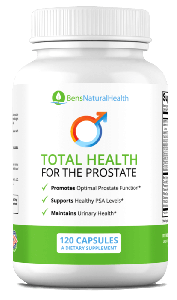
If you are not already taking some of my natural supplements, may I suggest that you should try my “total health for the prostate“. It is extraordinarily successful for most. If you buy three bottles of my total health, you will also receive a complimentary copy of my guide which normally costs $79.


I wish you good health,


Ben Ong

Posted in Invasive Treatments, Prostate Cancer | Tagged , , , | Leave a comment
« Older posts